Mamokhele Letsabo
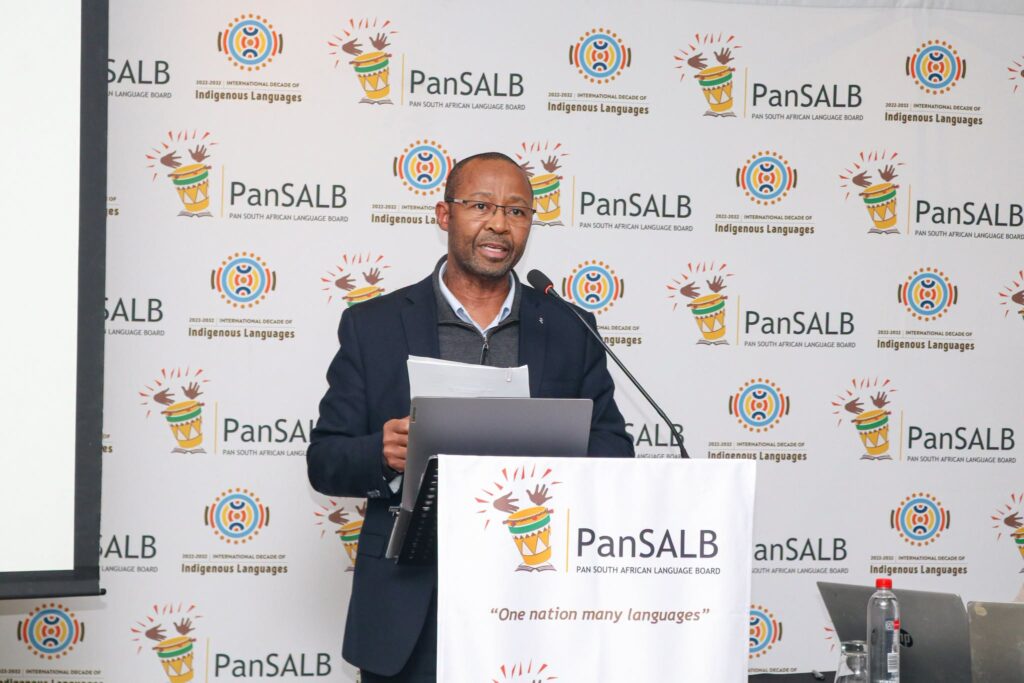
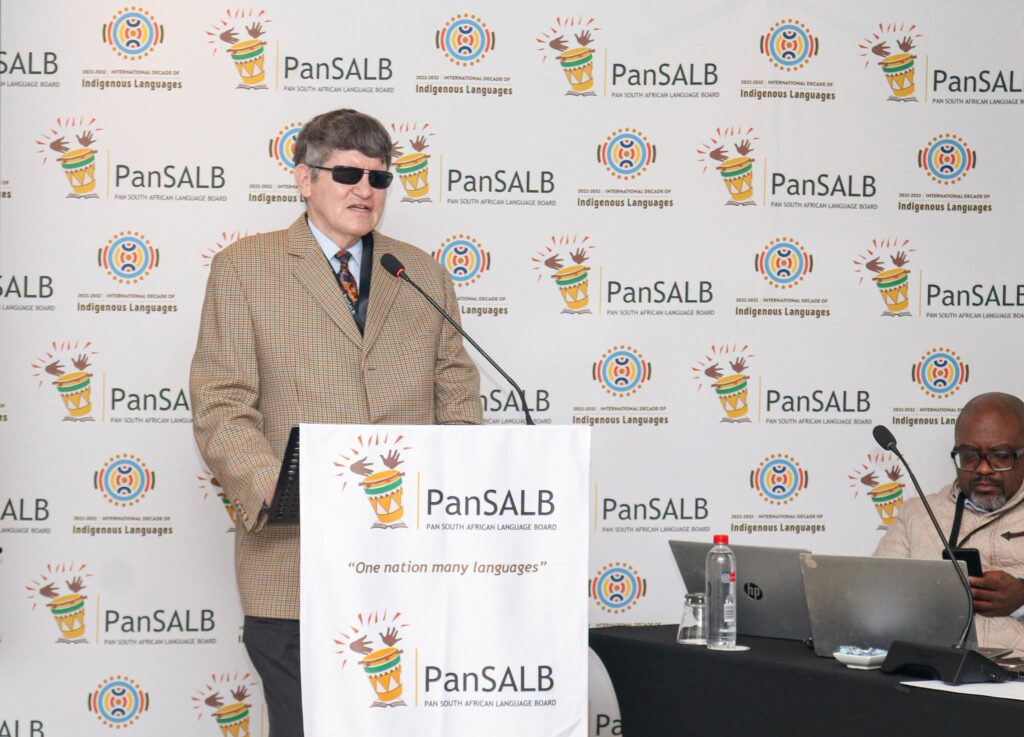
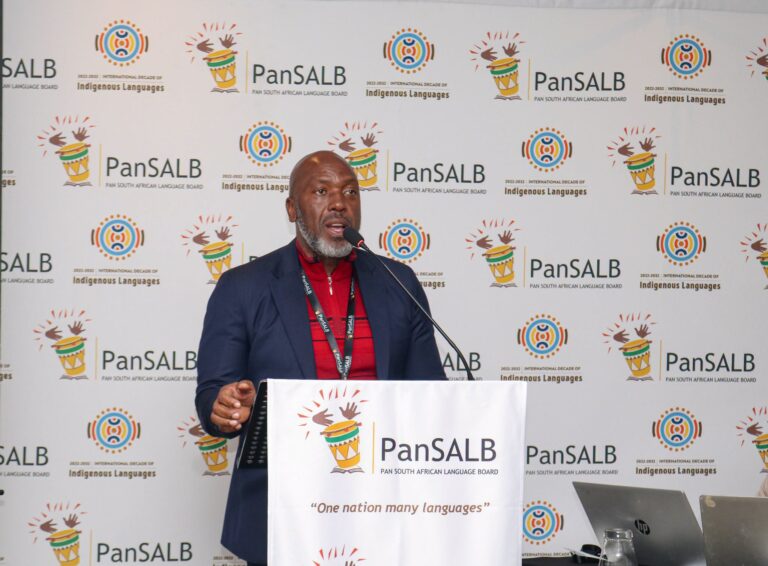
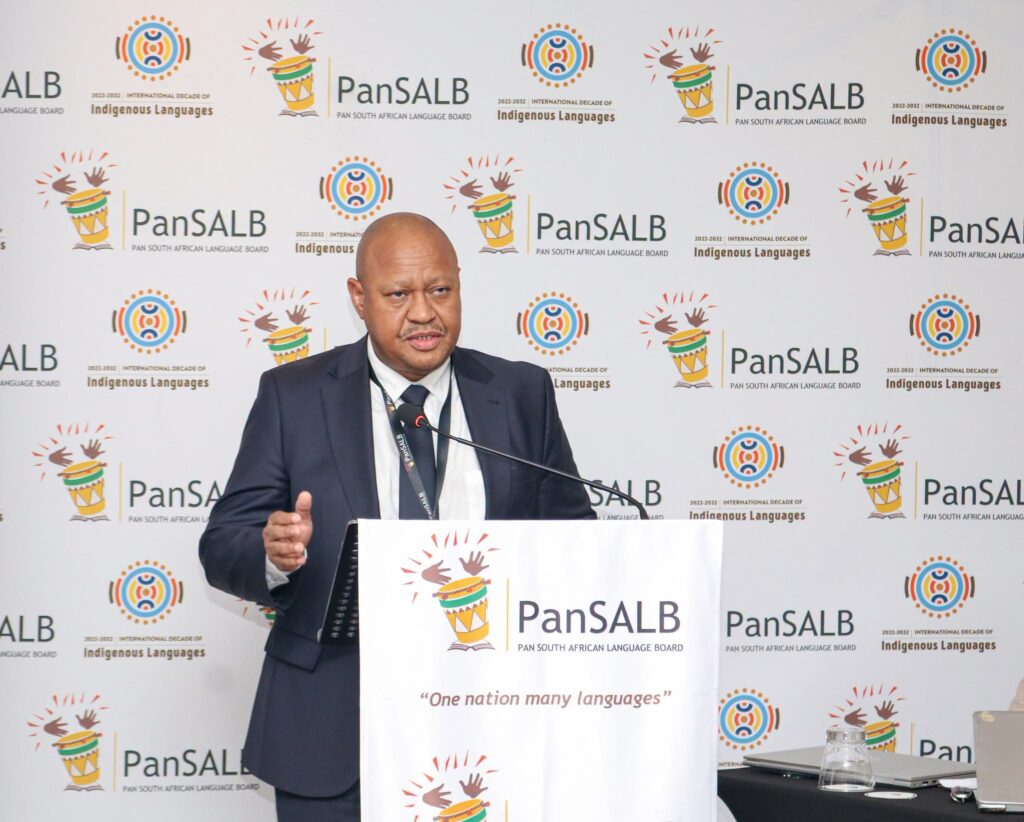
On 18 June 2026, the Pan South African Language Board (PanSALB) conducted a public hearing into the language policy of the Legal Practice Council (LPC), with the LPC appearing as the primary respondent.The hearing followed the LPC’s notice of 13 December 2023, which stated that English would be the language used for candidate attorneys’ examinations and further proceedings conducted at the Council. For some, the decision came as another instance of English being reaffirmed as the perceived dominant language within South Africa.
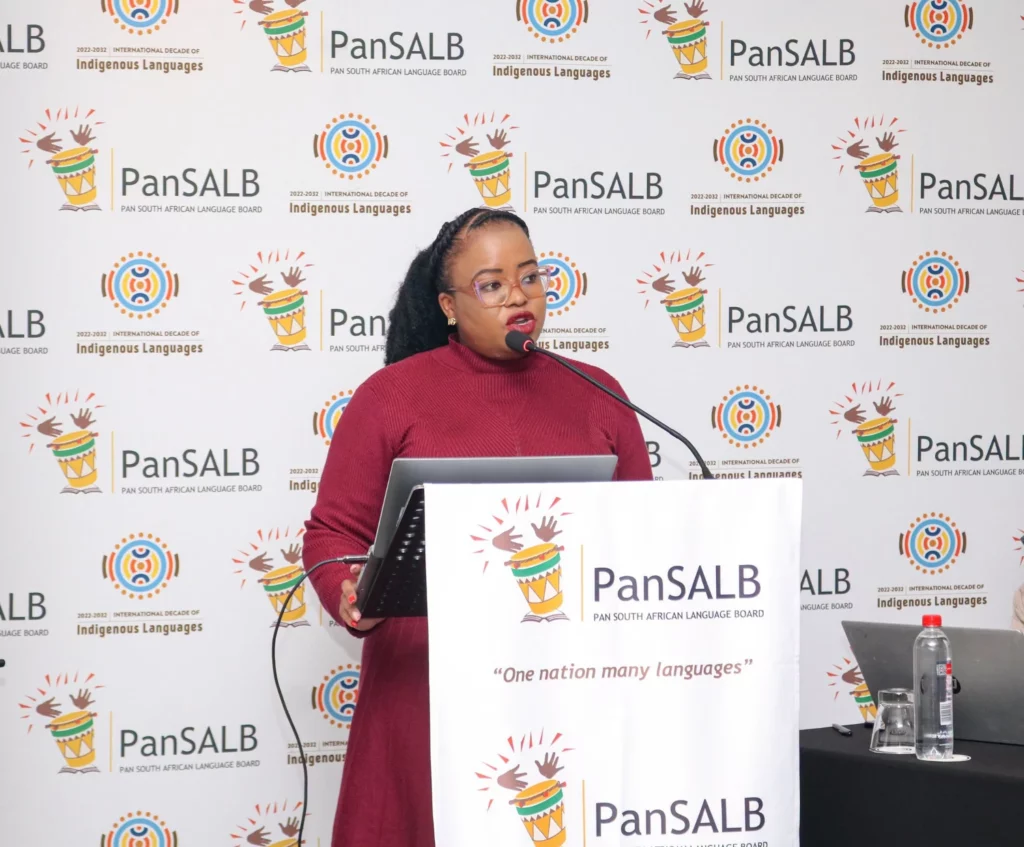
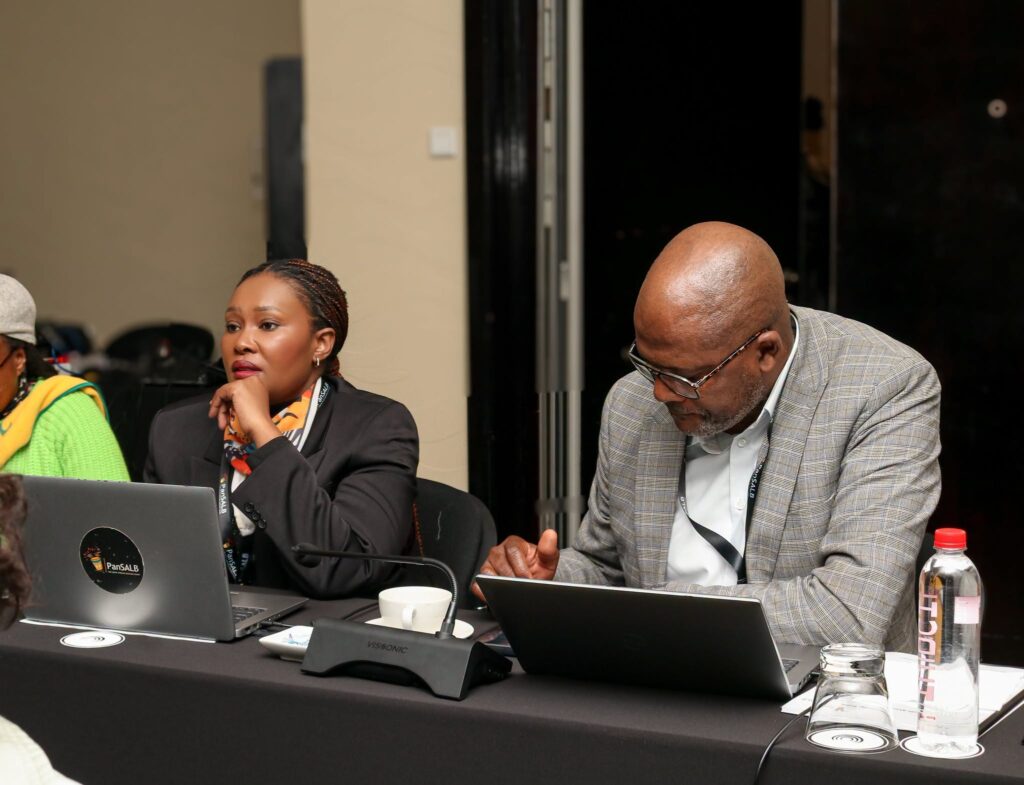
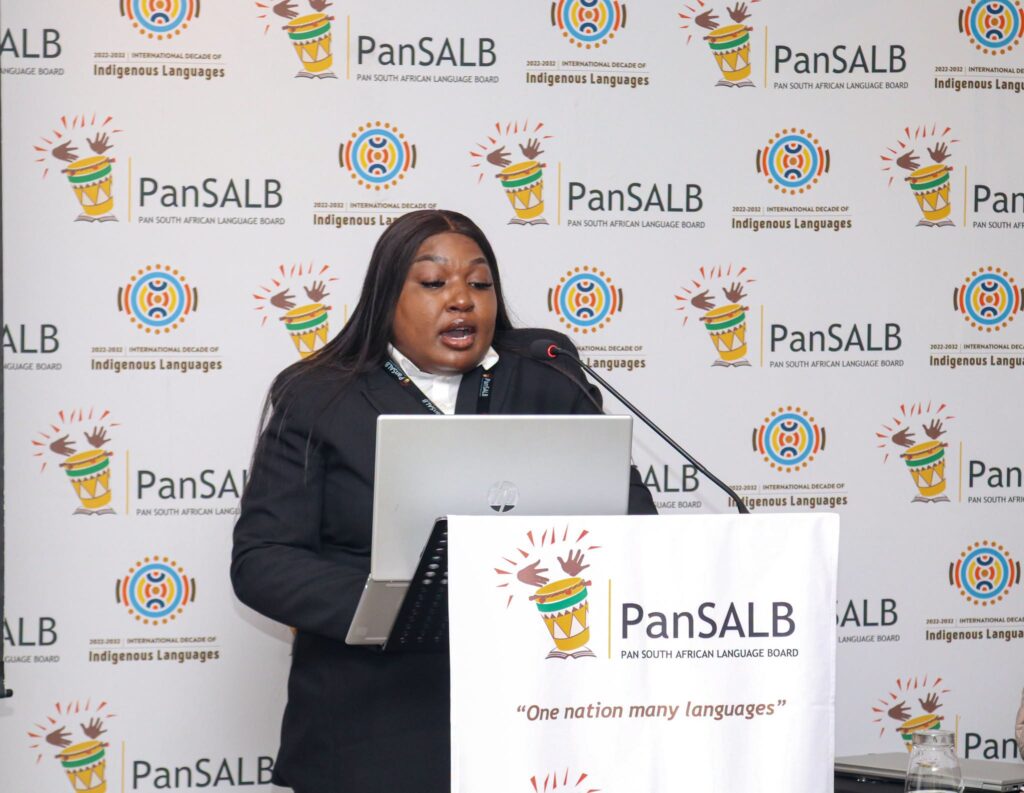
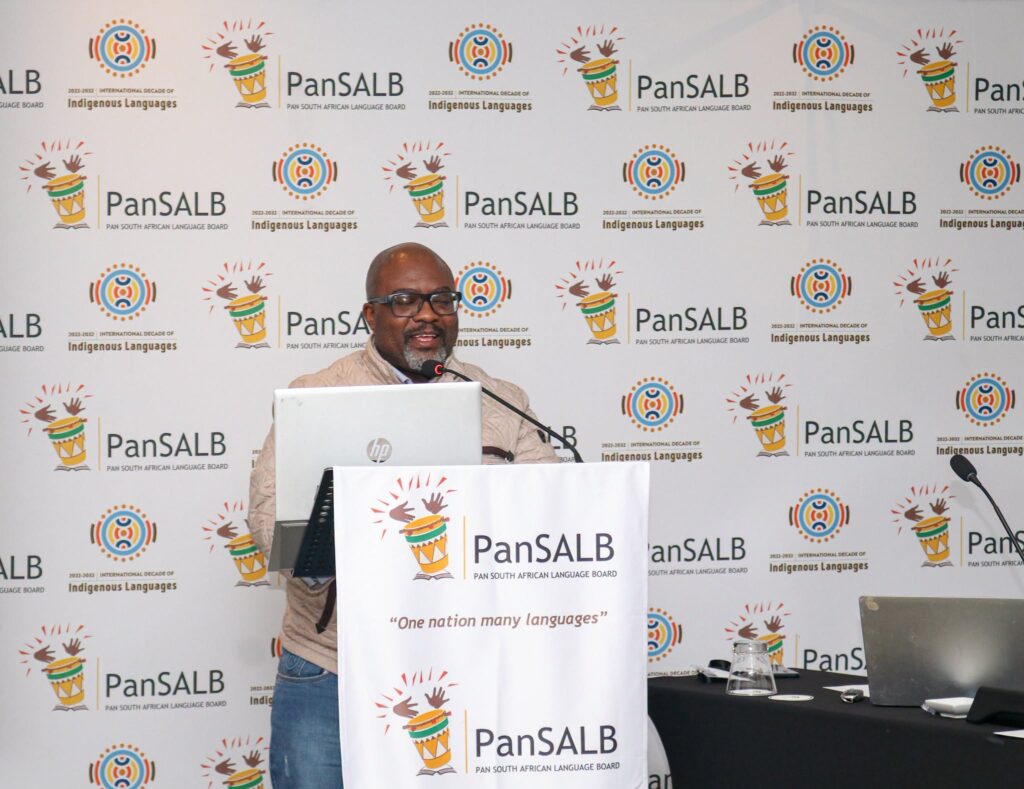

The hearing brought together different perspectives, and fair points were made on all sides. Some argued that a single language promotes consistency, administrative efficiency, and practicality. Those are not arguments that should simply be dismissed. Institutions should function. Resources are limited, and implementation is rarely as simple as aspiration. Others argued that such considerations, while genuine, should not dim the constitutional mandate to multilingualism and the advancement of all official languages.
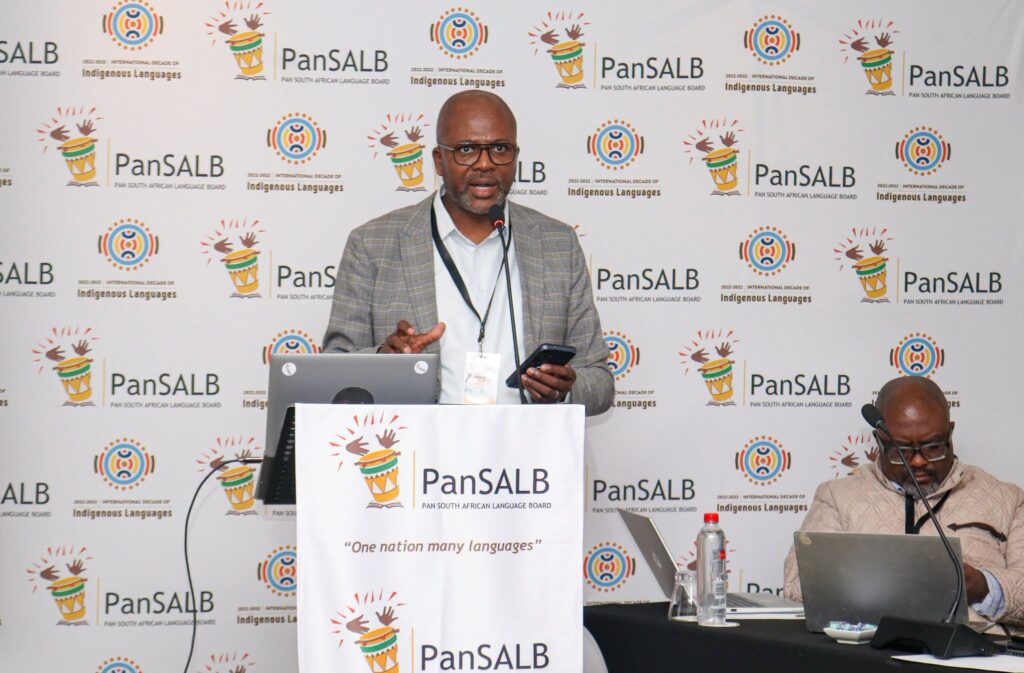
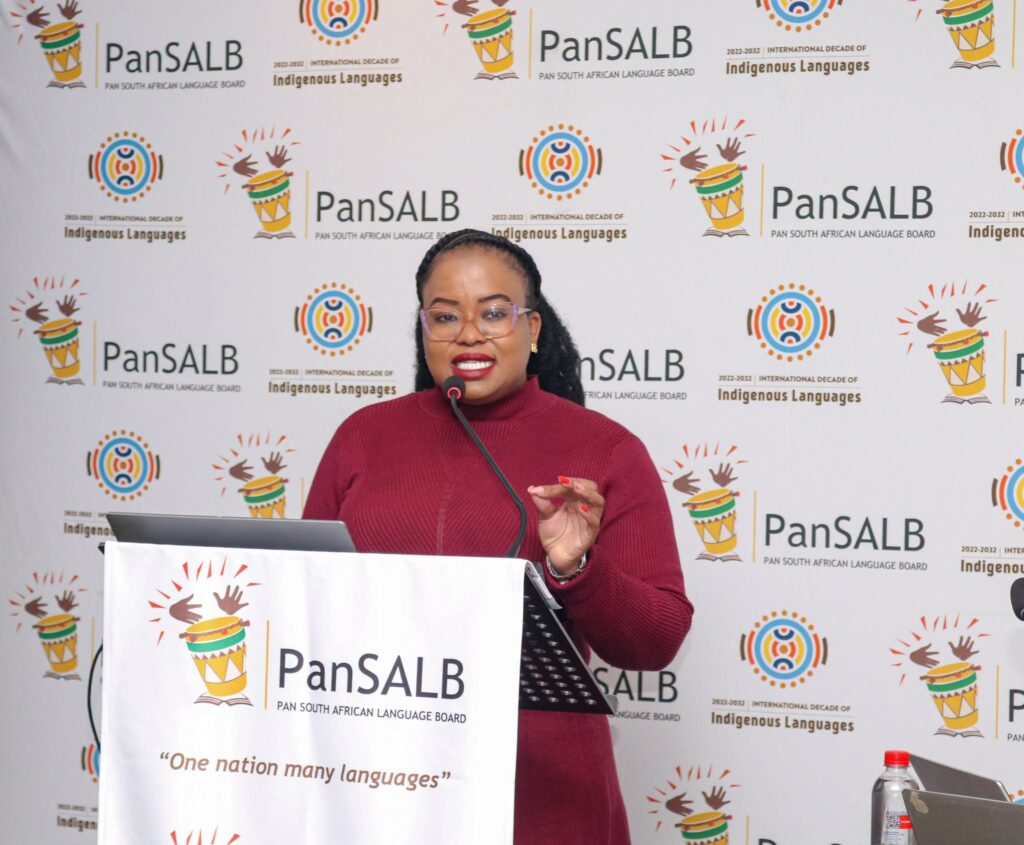
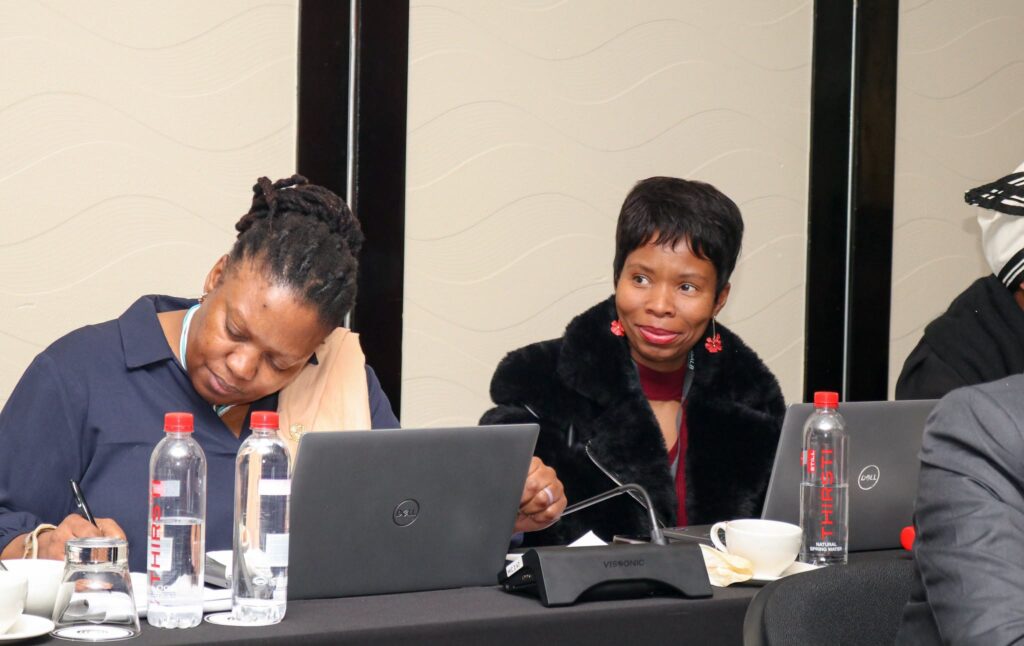

Transformation requires planning and resources and often rhetorical statements on transformation become comfortable places to hide. Perhaps the tension we continue to wrestle with lies between practicality and conformity, not only in language policy formulation and implementation, but in many areas of our democracy. We recognise the transformative vision of our Constitution, yet we often find ourselves falling back into what is practical. The question is not whether practicality has a place. It certainly does. The question is whether practicality has become our justification for conformity instead of our foundation for transformation.


Since multilingualism requires investment, planning, political will, and institutional commitment; practicality should not become the reason we stop imagining what is possible. Have we become so comfortable with conformity that we have mistaken it for practicality?