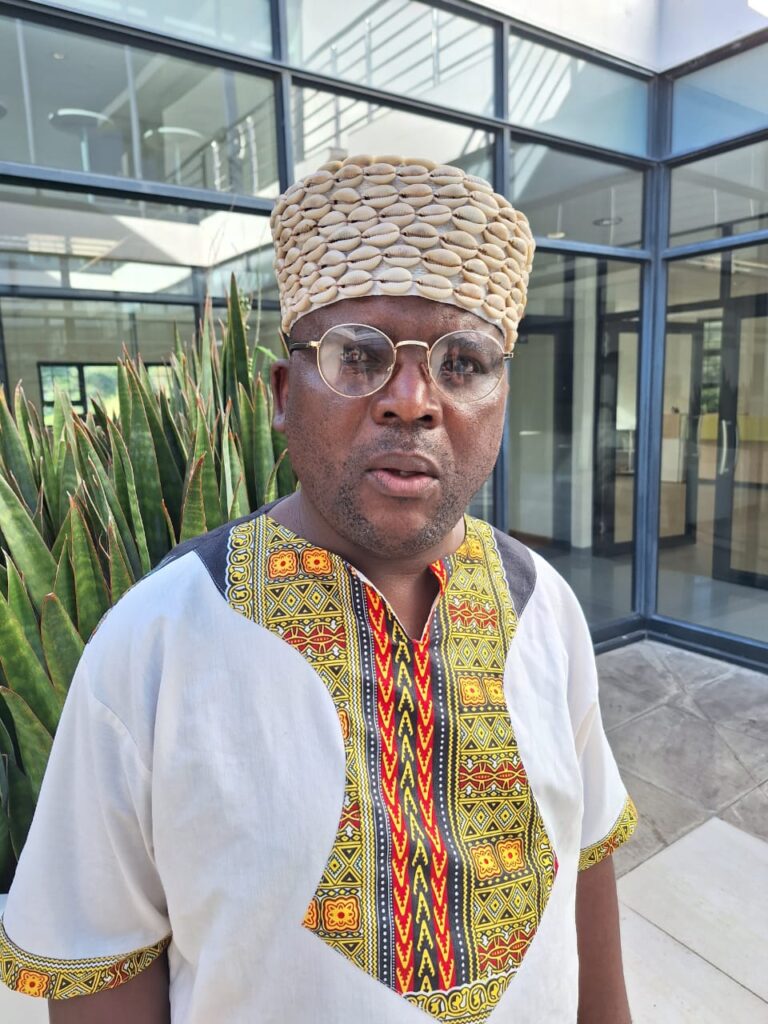
Sithembele Xhegwana – ENLB Member
In a modern world characterized by globalization, the tension between universally dominant religions and local traditional cultures often creates complex ethical dilemmas. One such case, recently presented as an Ethics exercise for an MBA class, highlights the deeply personal and societal struggles that arise when these two worlds collide.
The Heart of the Conflict
The dilemma centres on a young boy conceived before his parents were married. Following their marriage, the child remained part of the family unit, but a significant cultural rift emerged as he reached the age of transition into manhood. The child expressed a desire to pursue his traditional initiation route through his maternal precincts, adhering to the customs of his mother’s lineage.
However, traditional protocols are rigid and steeped in spiritual significance. According to these traditions, specific rituals must be performed before the initiation can proceed. The stakes are high: failure to observe these protocols is believed to attract “undesired situations,” including the potentially disastrous “innate abortion” of the traditional circumcision process itself.
A Clash of Custodians
On the other side of this ethical divide stands the father. As a custodian of a different, universally dominant religion and culture, he views these traditional requirements with deep scepticism. To him, subjecting the initiation process to these rituals is perceived as a “highest order of ridicule” against his own beliefs.
This creates a stalemate between the two “spear holders” of these heritages. While both parties agree on the importance of the child’s transition, they remain deadlocked over which geographical site should serve as the valid location for these negotiations and rituals. This dispute is not merely about location; it is about which culture holds the ultimate authority over the child’s identity.
Language: The Vessel of Culture
One might wonder how such a localized cultural dispute relates to the broader mandate of organizations like the Pan South African Language Board (PanSALB). The answer lies in the intrinsic link between how we speak and how we live. As the narrative illustrates, language does not exist in a vacuum. It is not merely a tool for communication but is fundamentally rooted in the environment from which it springs. Culture serves as both a precursor and a vessel for language. When a tradition is threatened or a ritual is contested, the linguistic nuances and the specific vocabulary of that culture are also at risk. To protect a language, one must understand and respect the cultural protocols that give that language its meaning and life.
While the source presents the father’s dilemma as an unresolved “classic ethical dilemma” for an MBA class exercise, several potential resolutions can be inferred from the tensions described in the text:
- Prioritizing the Child’s Agency: The source notes that the child has specifically expressed a desire to pursue his initiation through his maternal precincts. An ethical resolution could centre on the boy’s autonomy, allowing him to choose the cultural path he identifies with, even if it conflicts with the father’s religious views.
- Negotiating a Neutral “Geographical Site”: A significant part of the conflict involves which location serves as the valid site for negotiations and rituals. A resolution might involve finding a neutral ground or a compromise location that respects the spiritual requirements of the mother’s traditional protocols without the father feeling his own religious beliefs are being ridiculed.
- Recognizing Mutual “Millennial Year Experiences”: The source highlights that both the dominant religion and the local culture are backed by millennial-old traditions. A resolution could be found through mutual respect, where the father acknowledges the cultural rituals not as “ridicule” but as a necessary vessel for language and identity that is fundamental to his son’s heritage.
- Mitigating Risk through Protocol Adherence: Because the tradition warns of “undesired situations” or the “innate abortion” of the circumcision process if protocols are ignored, an ethical resolution might involve the father allowing the maternal rituals to proceed to ensure the child’s perceived safety and psychological well-being, prioritizing the “spear holder’s” duty to protect the child over personal religious objections.
Conclusion
Ultimately, because the source describes this as a “myriad of cultures” where both parties feel they should “drive the process,” any resolution would likely require a mediated negotiation that balances the rigid requirements of tradition with the personal convictions of the father.
The story of the boy at the centre of this “myriad of cultures” serves as a microcosm for the broader challenges facing a multilingual and multicultural society. It reminds us that ethics are rarely black and white, especially when they involve millennial-old experiences and deeply held spiritual convictions. Ultimately, navigating these crossroads requires a profound respect for the cultural vessels that carry our languages and define our identities.