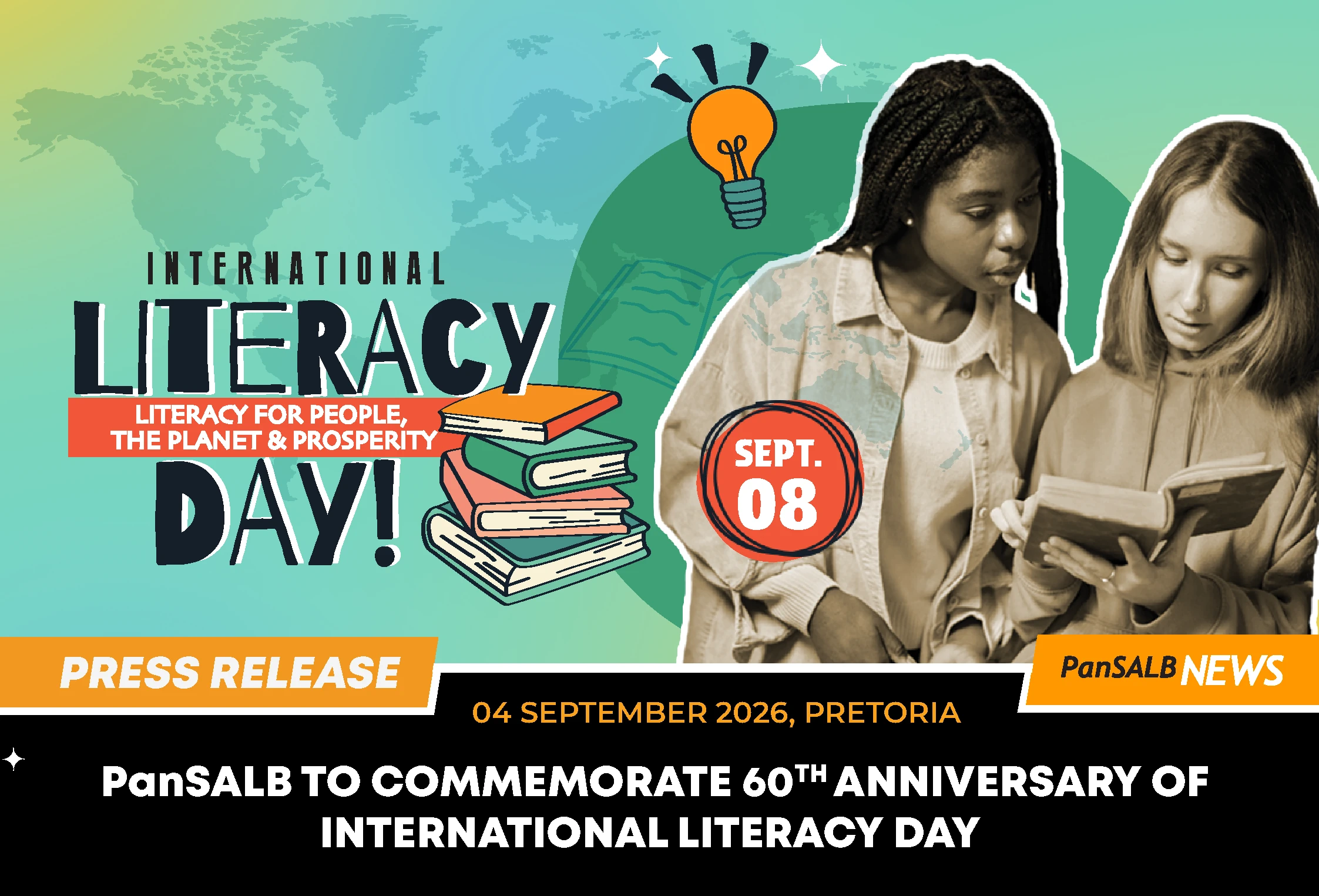
The Pan South African Language Board (PanSALB) will, on Tuesday, 08 September 2026, at Tshwane University of Technology, Emalahleni Campus in Mpumalanga, observe the 60th anniversary of International Literacy Day as officially declared by UNESCO. Dr Naledi Mbude Mehana, Deputy Director General for Transformation at the Department of Basic Education, is expected to deliver the keynote address.
PanSALB CEO Dr Keaobaka Seshoka highlighted that this is an annual observance to underscore the importance of literacy for policymakers, practitioners, and the public in creating a more literate, just, peaceful, and sustainable society. The commemoration forms part of PanSALB’s ongoing efforts not only to raise awareness about the importance of literacy as a matter of dignity and human rights, but also to advance the role of indigenous languages in science, technology, and all critical digital forums for future transformation and development”. This year, the commemoration will be observed under the theme “Literacy for people, the planet and prosperity”. This aims to examine the evolution of literacy over the past six decades, ensuring that communities are reminded that literacy is a fundamental human right and the foundation of all learning.
South Africa continues to face significant literacy challenges. According to the 2021 Progress in International Reading Literacy Study (PIRLS), 81% of South African Grade 4 learners cannot read for meaning in any language. This highlights the urgent need for sustained interventions and innovative approaches to improve literacy outcomes across the country. Interventions such as the Mother Tongue-based Bilingual Education (MTbBE) programme are therefore critical in addressing the country’s literacy challenges. The programme must be accorded the necessary support and resources to fast-track its implementation and strengthen the use of learners’ home languages as a foundation for improved literacy and learning outcomes.
Literacy remains fundamental to enabling people to acquire knowledge, participate meaningfully in society and foster a culture of reading. As South Africa marks 60 years of International Literacy Day, PanSALB will continue to advocate for multilingual approaches to literacy and learning that recognise the value of indigenous languages and contribute to building an inclusive, knowledgeable and prosperous society.